Hire Stablecoin Engineers for Blockchain-Based Financial Products

Hire stablecoin engineers for payments integration, smart contracts, chain infrastructure, on-chain compliance, custody, and reserve operations. Trio places senior engineers who are production-ready and built for regulated payment rails.
Trio engineer in branded t-shirt with hiring and search icons
Our partners say we’re   4.6 out of 5

Bring senior stablecoin engineers into your team.

95%

developer retention rate

40+

product teams scaled across the U.S. & LATAM

5–10

days from request to kickoff

Trusted by FinTech innovators across the U.S. and LATAM

plaid
ramp
visa
chime
sofi
dailypay
mosaic shape

Our Talent

Meet Trio’s Stablecoin Engineers
When you hire stablecoin engineers through Trio, you work with senior developers who’ve built production payment systems on real chains, and who understand reconciliation, sanctions screening, and custody the way a regulator expects them to.
Smiling engineer in a Trio t-shirt beside a stablecoin logo.
1
Senior engineers across all stablecoin specializations: payments, contracts, infrastructure, compliance, custody, and reserves
3
Production experience from LATAM’s stablecoin and remittance ecosystem.
4
Fluent in compliance, including sanctions screening, Travel Rule, and reserve reconciliation an auditor will actually sign off on.
location pages Senior level engineers with fintech
Comfortable owning failure modes such as reorgs, key management, and reserve attestation.
What Our Stablecoin Teams Deliver
Staff augmentation gets you senior stablecoin engineers fast, without the two-quarter search a direct hire usually takes for this specific skill set. Trio matches the role to the right specialization, taking care of vetting on your behalf, so you can refocus those resources.
Payments Integration & Settlement
  • Deposit and withdrawal flows with idempotent webhook handling.
  • Reconciliation between on-chain events and your internal ledger.
  • Reserve and treasury operations, including mint/burn accounting and attestation pipelines.
  • Token and control contracts: mint, burn, pause, allowlist, and upgrade paths.
  • Node and RPC redundancy, indexers, and multi-chain support.
  • Solidity and Rust engineers who understand why the admin-key design matters.
  • On-chain sanctions screening that runs before a payment is credited.
  • MPC or multisig signing architecture, key rotation, and recovery procedures.
  • Reserve reporting built to satisfy an attestor.
Icon stack of dollar sign, Trio logo, and code symbol representing cost-effective fintech development
shape

Case Studies

Results that Drive Growth for Fintech

FinTech founders and CTOs work with Trio’s engineers for one reason: confidence.

Cosmos_section1_900x900px-1

Seamless Scaling

Trio matched Cosomos with skilled engineers who seamlessly integrated into the project.

Poloniex_section1_900x900px-1

Expanding Talent Pool

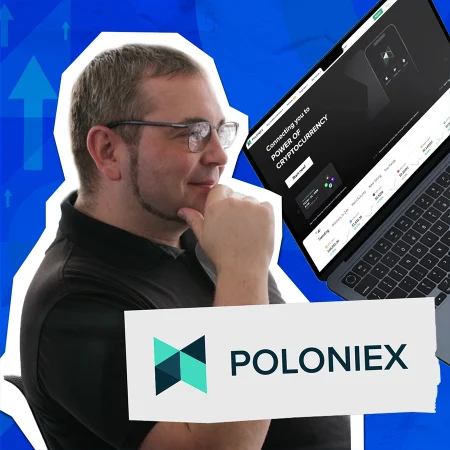
Our access to the global talent pool ensured that Poloniex’s development needs were met.

Uberdoc_section1_900x900px_2x-1

Streamlining Healthcare

We provided UBERDOC with engineers who already had the expertise needed.

TT_section1_900x900px-1

Transforming Travel

Trio introduced an integrated ecosystem for centralized and automated data gathering.

mosaic shape

Why Trio

Why Stablecoin Teams Choose Trio
We build the infrastructure that moves regulated money, on-chain and off. Our stablecoin engineers stay because the work keeps getting harder in the right ways, and they bring that depth to every team they join.

Senior Engineers Only

Low churn, high continuity

Person holding laptop

Timezone-aligned collaboration

FinTech-Native Experience

 
trio blue logo

Internal Hiring

Marketplace

Mike headshot
Marcie headshot
Jashan headshot
bottom right corner

How we work together

Step 1

Discovery
 Call
Share your architecture, your stablecoin needs, and your timeline.
illustration1 stateselected
illustration1 staterest

Step 2

Curated
 Shortlist
Receive a shortlist of engineers matched to the specific stablecoin role.
illustration2 stateselected
illustration2 staterest

Step 3

Interview 
+ Select
Meet the candidates, run your own interviews, and choose.
illustration3 stateselected
illustration3 staterest

Step 4

Onboarding 
in 3–5 Days
Engineers plug into your workflow, tools, and roadmap quickly.
illustration4 stateselected
illustration4 staterest

Step 5

Governance & Check-Ins
Ongoing alignment, performance tracking, and support.
illustration5 stateselected
illustration5 staterest
Triangle top right

Talk to a specialist

Scale your team. Stay on schedule. Skip the hiring chaos.
Hire dedicated stablecoin engineers, for one role or all six, without losing control of your architecture decisions. You keep ownership of the roadmap. We handle sourcing, vetting, and ongoing support.

Contents

Share this article

Curated by

July 31, 2026

Hiring Stablecoin Engineers Through a Model Built for Regulated Payments

Stablecoin engineering has become one of the harder hires in fintech because of how vast the term is. Not all stablecoin engineers will have the same skills, so you need to fully understand the position before you can assess whether someone is right for you.

A team that posts a single “stablecoin engineer” requisition usually ends up with resumes from people who’ve shipped a DeFi protocol or an NFT project, which is a different skill entirely from moving regulated dollars across a chain and being able to prove, to an auditor, exactly where they went.

Let’s look at everything you need to know about hiring stablecoin engineers in the fintech industry who have the right skills for your product.

Trio can assist you by placing pre-vetted developers in as little as 3-5 days, potentially saving you months of sourcing. Request talent.

Why “Stablecoin Engineer” Isn’t One Job

Six distinct roles sit under that title:

  1. Payments integration
  2. Smart contract development
  3. Chain infrastructure
  4. On-chain compliance
  5. Custody and key management
  6. Reserve or treasury operations.

Each one of these fails differently when staffed wrong.

For example, a payments integration hire who treats an on-chain event as a settled transaction runs into trouble the moment a reorg happens. A smart contract engineer who optimizes purely for decentralization tends to skip the freeze function a regulated issuer needs.

It is incredibly important that you figure out which role you are actually trying to fill.

To help you do that, ask these three questions: whether you hold customer keys directly, whether you’re issuing your own token or integrating someone else’s, and whether a regulator or auditor eventually reads your output.

The answers will likely point toward one or two specific roles each time.

What Stablecoin Engineers Actually Build

Depending on the role of a stablecoin engineer, the work spans:

  • Deposit and withdrawal flows with idempotent webhook handling
  • Token and control contracts (mint, burn, pause, allowlist, upgrade paths)
  • Node and RPC infrastructure with reorg handling
  • Sanctions screening that runs before a payment is credited rather than after
  • MPC or multisig signing architecture with a documented recovery procedure
  • The double-entry accounting that reconciles on-chain supply against off-chain reserves.

The common thread across all six variations we mentioned above is that the failure modes carry regulatory weight, which is why vetting is so critical.

Why This Talent Is Scarce Right Now

The GENIUS Act, signed into US law in July 2025, gave banks and payment networks the regulatory clarity to start building stablecoin settlement infrastructure.

At the same time, a wave of layoffs across exchanges and protocol teams redistributed blockchain engineers toward stablecoin issuers, infrastructure providers, and compliance-focused teams rather than removing them from the market entirely.

In short, the developers may have become available, but they were quickly absorbed into major organizations that can offer competitive pay, and the majority of blockchain engineers who are left on the market don’t have the required stablecoin skills.

The bottleneck that you now have to deal with sits at the overlap of skills and regulatory knowledge, the combination of which is genuinely rare.

Sourcing Stablecoin Engineers the Right Way

We have often seen a direct US hire for a senior on-chain compliance or custody engineer take as long as two full quarters through conventional channels. This is largely due to the supply issues.

Nearshore staff augmentation is usually the faster path for payments integration, chain infrastructure, on-chain compliance, and reserve operations.

When you partner with Trio, where we have a pool of pre-vetted developers, you can expect typically placing in 3 to 5 days, depending on your ability to conduct the final interviews.

LATAM specifically, Argentina and Mexico in particular, carries genuine production stablecoin experience, driven by real consumer demand for dollar-denominated savings and payments.

Engineers have generally worked against real transaction volume already, and it tends to show in how they talk through failure modes during an interview rather than reciting theory.

When It Makes Sense to Hire Stablecoin Engineers

Many companies don’t need stablecoin engineers, but for teams with an approved stablecoin project, settlement rails, treasury operations, payouts, or issuance, and no clear internal owner yet for the roles above, it could be worth it.

However, if you decide to hire a stablecoin developer, it is essential that you vet developers thoroughly before hiring them to make sure they won’t create regulatory risks and can actually fulfill the role you require.

For assistance, book a discovery call.

Related Links
Find Out More!
Want to learn more about hiring?
mosaic shape

Frequently Asked Questions

blue triangle

Schedule a Call

Let’s Build Tomorrow’s FinTech, Today.

Whether you’re scaling your platform or launching something new, we’ll help you move fast, and build right.