

Hire by Technology
SERVICES


A founder or CTO actually needs to understand current AI startup trends so they can gain insight into how to build and staff their own teams.
We’ve compiled a list of the top five trends that are actually relevant to smaller firms trying to utilize AI or create AI products, and what these trends mean for your company in a practical way.
At Trio, our developers are used to sitting at the forefront of heavily regulated industries like fintech. They understand not only the latest trends and consumer requirements, but also what these products need to stay compliant.
We are seeing a major increase in AI tools that act on a user's behalf, rather than just answering questions or making suggestions.
These autonomous agents can complete an entire workflow and are quickly becoming what investors want to see in an enterprise-facing product.
In terms of hiring, building an AI feature that makes suggestions carries far less engineering risk than building one that takes action, since an acting system needs real permission boundaries, a genuine audit trail, and a tested way to roll back a bad decision.
You need to be explicit about what you are hiring for in a job posting rather than discovering a knowledge gap after someone's been hired.
Legal services, agriculture, education, and similarly traditional sectors are seeing real AI-driven startup activity now.
We are increasingly seeing venture investors specifically point to opportunities in fields where deep domain expertise has kept automation out until recently.
The startups succeeding here tend to pair AI capability with someone who genuinely understands the industry being disrupted, which changes what a good candidate profile actually looks like for this kind of build.
A line attributed to a well-known venture investor, that every company is becoming a fintech company, keeps circulating, and seems to be truer now than ever.
Startups outside financial services are increasingly embedding payments, lending, and other financial features directly into their core product.
Open banking, insurance technology, and real-time settlement are active areas of investment.
Practically, this makes sense. A SaaS company that adds payment features has, whether the team frames it this way internally or not, taken on a set of engineering obligations it didn't have before.
The company now has to worry about things like reconciliation, scope questions around cardholder data, and regulatory controls. Hiring generalist engineers for this work can be an incredibly expensive mistake.
We’re watching, in real-time, as AI systems handle more sensitive data. Cybersecurity and privacy-focused startups are drawing real, sustained investor attention, particularly if they are working on automating threat detection and keeping pace with rapidly shifting regulations.
If you are hiring a developer for a system that will deal with any sensitive data, you need to look for security engineering paired with genuine AI fluency.
Unfortunately, this combination is quite rare, so finding the right person without a partner like Trio can take several months.
Venture investment increasingly follows talent and opportunity wherever they actually are. Thanks to the rise of remote work, that doesn’t just mean a few concentrated hubs of talent.
For a long time now, we’ve been taking advantage of regional strength emerging in places like Latin America, particularly around fintech, fraud prevention, and payments specifically.
Building distributed teams with nearshore talent rather than assuming engineering has to sit in one expensive metro area is an incredible way to save money and scale your team with niche talent.
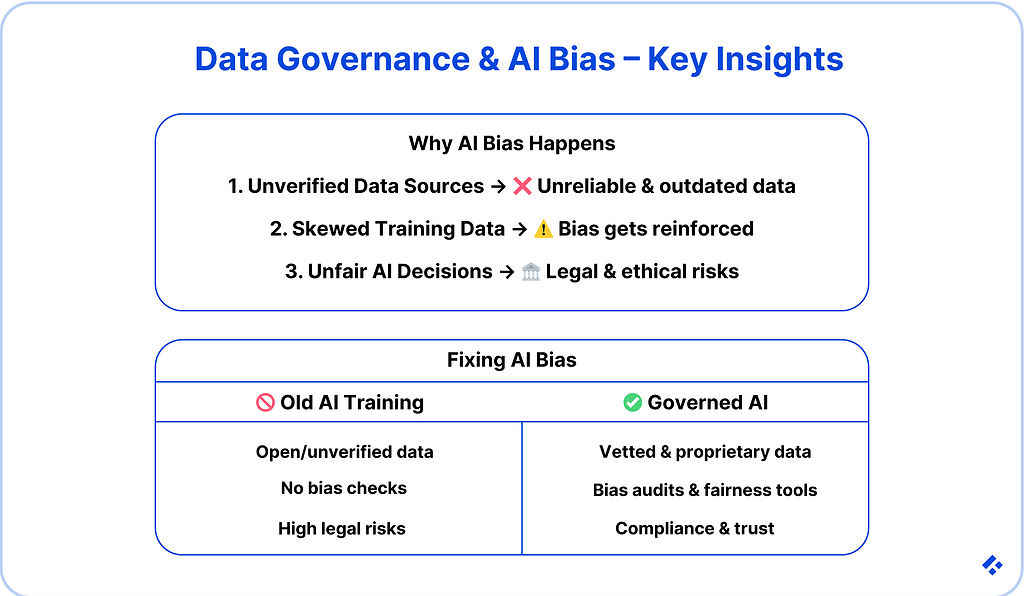
The reality is that the AI talent that's actually hard to find right now isn't the generic capabilities. Instead, it is the combination of AI fluency with something else specific, like regulated-industry judgment, deep domain expertise in a traditionally resistant sector, or security engineering depth.
If your product is drifting toward payments, lending, or any other financial feature, even as a secondary function, you need to start screening for regulated-system experience now.
Also, don't just assume that general AI experience transfers cleanly to every one of these specialized directions. The engineer who's great at building a customer-support agent isn't automatically the right hire for an agent that initiates financial transactions.
Trio places engineers who combine AI experience with real production work in regulated fintech environments, exactly the intersection these trends point toward.