

 Read Client Stories


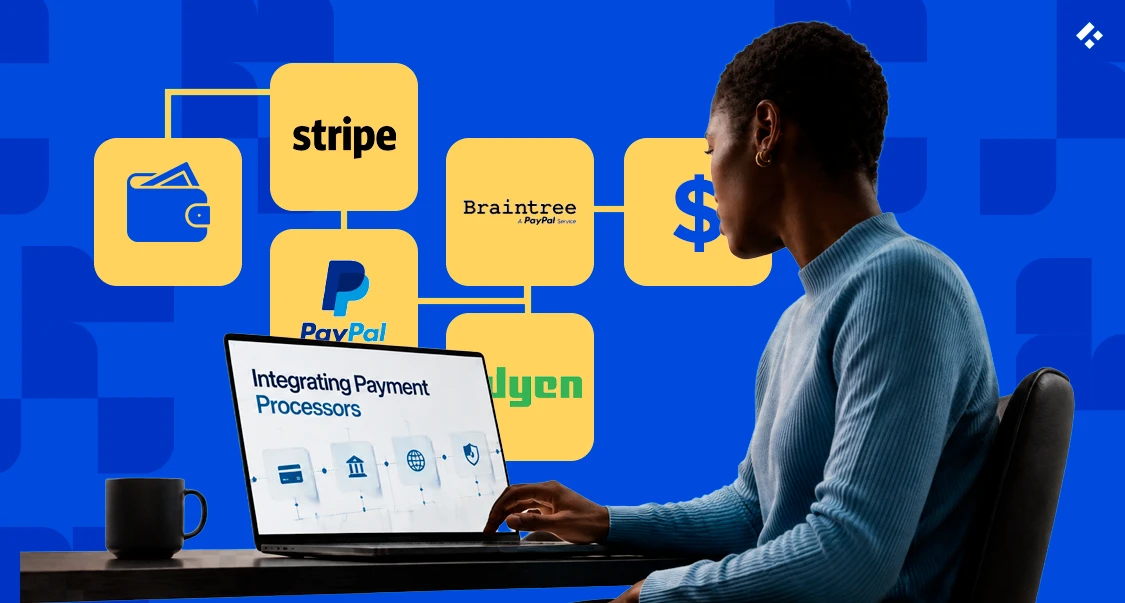
Integrating Payment Processors: Architecture for More Than One
Integrating one payment processor is relatively simple, since you are dealing with a well-documented process.
Category
Delve into back-end development, the backbone of web applications. From server-side languages to database management, our category provides all you need.

Integrating one payment processor is relatively simple, since you are dealing with a well-documented process.
Circle Payments Network has added fiat payout corridors across LATAM, Asia and Africa. The engineering skill set a CPN integration actually needs.
Discover how to get started with PHP development in this guide. Learn about the key features, advantages, and best practices for using PHP in your projects.
Fintech DevOps costs $5K–$15K/month for an early-stage product and $15K–$40K/month at the growth stage (Series B).
Discover everything you need to know about being a back-end developer, including the skills you need to succeed in web application development.
Rule-based detection fails twice over as you scale: false positives rise with volume, false negatives rise as fraudsters learn the rules. The five layers.
Buy vs build works differently at each layer of the BaaS stack. Which to buy, which to migrate at scale, and which should never be outsourced.
APIs carry account data, payment instructions and identity credentials across dozens of integrations. Seven practices that keep fintech APIs secure.
Payment routing is the automated process of directing transaction data through a processor or gateway once the customer pays.
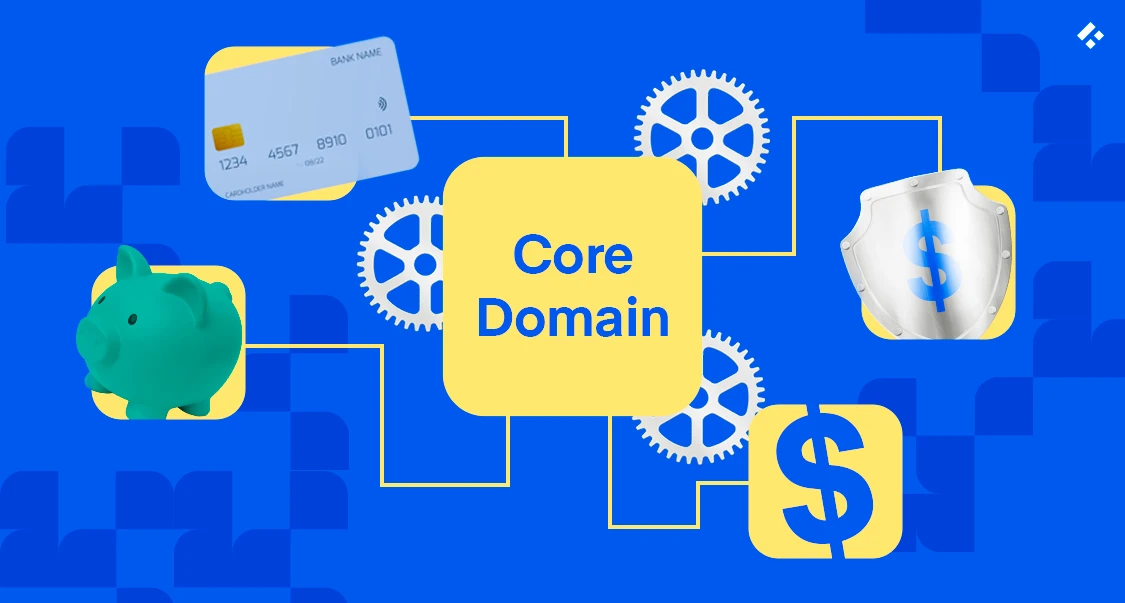
Domain-Driven Design in fintech, or centering software around the domain, lets you align software development with 2026 financial systems.
If your product accepts, stores, or even briefly touches card payments, PCI compliance becomes part of your world pretty quickly.
A small hiccup that stops a transaction for even a few seconds may look harmless on paper, but in the moment, it creates real anxiety for the user.