

 Read Client Stories




 Alex Kugell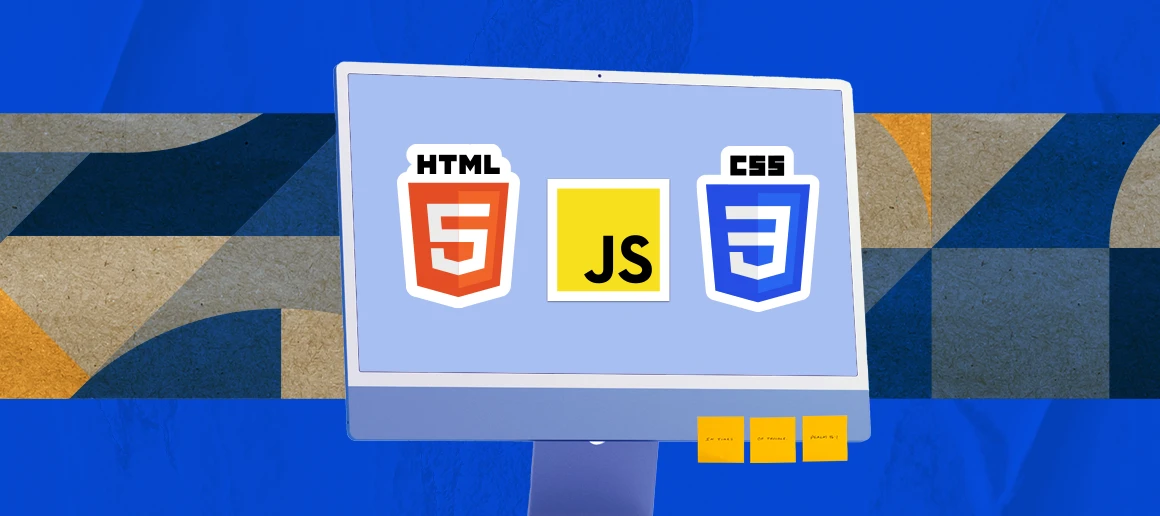
 Key Takeaways
- Front-end development covers everything users see and interact with in a website or web application. HTML structures content, CSS controls visual presentation, and JavaScript powers interactivity.
- React remains the dominant front-end framework, while TypeScript has become the standard for building scalable, maintainable applications.
- Responsive design is no longer optional. Modern websites must function seamlessly across desktop, tablet, and mobile devices.
- Front-end performance directly affects user experience, conversion rates, and search visibility through Core Web Vitals.
- Accessibility, security awareness, and cross-browser compatibility are increasingly important skills for professional front-end developers.
- The US Bureau of Labor Statistics reports a median annual salary of $98,670 for web developers, with senior React and TypeScript specialists commanding significantly higher compensation in competitive markets.
No matter how powerful your application is behind the scenes, users only experience the part that’s in front of them.
If pages load slowly, forms are frustrating to complete, or important features don’t work consistently across devices, users will leave.
That’s why front-end web development plays such a critical role in modern software projects.
Front-end development covers everything users see and interact with in a website or web application, including layouts, navigation menus, buttons, forms, animations, dashboards, and responsive behaviour across different screen sizes.
Developers typically use HTML to structure content, CSS to control presentation and layout, and JavaScript to create interactive experiences, along with frameworks like React, TypeScript, and responsive design principles.
In fintech, strong front-end development does more than improve usability. It helps establish trust, improves conversion rates, and creates the seamless experiences that users now expect from digital products.
Let’s take a closer look at what front-end development involves, the skills modern developers need, and how to identify the right talent for your next project.
If you need front-end web developers to help you achieve those goals, we focus on senior-level fintech talent at Trio, with production experience building applications in projects where performance, security, and user experience are equally important.
What Is Front-End Development?
In broad terms, front-end development refers to everything users see and interact with in a website or web application.
Whether users are navigating dropdown menus, completing forms, scrolling through content, reviewing account information, or interacting with real-time dashboards, front-end development is responsible for the experience they encounter.
The goal is simple: create interfaces that are intuitive, responsive, accessible, and reliable.
JavaScript remains one of the most widely used programming languages in the world and serves as the foundation of modern front-end development. Most professional development teams combine JavaScript with HTML and CSS to create user interfaces that are both visually appealing and highly functional.
As applications have become more complex, frameworks and libraries have become increasingly important. Technologies such as React, Vue.js, Angular, and TypeScript help developers build applications that are easier to scale and maintain.
TypeScript, in particular, has become a standard part of many professional front-end teams because it helps catch errors during development rather than after software reaches production.
Ultimately, front-end development is about more than making websites look attractive. Users now expect fast load times, smooth interactions, mobile-friendly layouts, and accessible experiences regardless of device or browser.
For many businesses, the quality of the front end directly influences trust, engagement, and conversion rates.
How To Develop an Effective Front-End Web Project
Successful front-end projects combine technical execution with a deep understanding of user behaviour.
Effective front-end developers and UI/UX teams typically focus on several key priorities:
- User accessibility
- Clear navigation
- Audience-specific design expectations
- Responsive layouts
- Performance optimisation
- Visual consistency
- Security-conscious interface design
In practice, front-end development sits at the intersection of usability and functionality.
A visually appealing interface may attract attention, but users ultimately stay because tasks are easy to complete.
That could involve purchasing a product, submitting a form, onboarding to a platform, or managing financial information.
To achieve this balance, developers rely on HTML, CSS, and JavaScript while increasingly leveraging modern frameworks and tools.
Our own developers regularly work with technologies such as:
- React
- Vue.js
- Angular
- Tailwind CSS
- Bootstrap
- TypeScript
- Next.js
Modern front-end projects also depend heavily on prototyping and collaboration.
Wireframes, mockups, and interactive prototypes help teams validate ideas before development begins, reducing costly revisions later in the project lifecycle.
The most effective teams continuously test assumptions, gather user feedback, and refine interfaces based on real-world behaviour rather than internal opinions.
What Does a Front-End Web Developer Do?
As web applications have become more sophisticated, the responsibilities of front-end developers have expanded significantly.
Building User Interfaces
Front-end developers create the visual and interactive components that users engage with every day.
These can include:
- Navigation systems
- Dashboards
- Forms
- Data visualisations
- Authentication screens
- Account management interfaces
Translating Designs Into Working Applications
Developers take wireframes, prototypes, and design specifications and convert them into functioning applications.
This requires balancing design requirements with technical constraints, performance considerations, and accessibility standards.
Optimising Performance
Front-end performance has become a business priority.
Core Web Vitals metrics now influence search visibility, while slow-loading interfaces can negatively impact engagement and conversion rates.
Developers regularly optimise:
- Page load speed
- Bundle sizes
- Image delivery
- Rendering performance
- Mobile responsiveness
Ensuring Accessibility
Accessibility is no longer considered an optional enhancement.
Professional front-end developers implement accessibility best practices, including:
- Semantic HTML
- Keyboard navigation support
- Colour contrast requirements
- Screen reader compatibility
- WCAG compliance
Collaborating Across Teams
Front-end developers work closely with:
- Designers
- Product managers
- QA engineers
- Back-end developers
- Stakeholders
Successful projects depend on effective communication between all of these groups.
Maintaining Code Quality
Modern development teams also expect front-end developers to understand:
- Git and version control
- Testing frameworks
- Code review processes
- CI/CD workflows
- AI-assisted development tools such as GitHub Copilot
Responsive Web Development: Building for Every Screen
Responsive web design means creating layouts that adapt seamlessly to different devices and screen sizes.
Today, users may access the same application from a desktop computer, tablet, smartphone, or even a foldable device. A front-end experience that works perfectly on one screen but breaks on another quickly creates frustration.
This is especially important because most web traffic now originates from mobile devices.
Google’s mobile-first indexing also means poor mobile experiences can negatively affect search visibility.
Front-end developers typically implement responsive design through:
- CSS media queries
- Flexible layouts using Flexbox and CSS Grid
- Relative sizing units such as rem, em, vw, and vh
- Responsive image optimisation
Frameworks like Bootstrap and Tailwind CSS simplify this process by providing responsive grid systems and reusable components.
In fintech, responsive design carries additional importance, since users frequently check balances, review transactions, complete onboarding flows, or approve payments from mobile devices.
If these experiences are difficult to use on smaller screens, trust and conversion rates can suffer.
Front End vs. Back End: Understanding the Difference
Although front-end and back-end development work closely together, they focus on different parts of a software application.
We have already mentioned that front-end development handles the client side.
Back-end development manages the server side, including:
- Databases
- APIs
- Authentication systems
- Business logic
- Data processing
For example, when a user submits a registration form, the front end collects and validates the information, the back end processes the request and stores the data, and finally, the front end then displays the result back to the user.
Neither side functions effectively without the other.
As applications become more complex, collaboration between front-end and back-end teams becomes increasingly important.
Full-stack developers bridge both worlds by working across both client-side and server-side technologies.
Front-End Development in Fintech
While the underlying infrastructure processes transactions and manages security, the front end determines how users experience those systems.
A well-designed financial interface can improve trust, reduce support requests, and increase product adoption. A confusing or unreliable interface can have the opposite effect.
Common front-end responsibilities within fintech products include:
- Payment flows
- Digital wallet interfaces
- Account dashboards
- Transaction histories
- Budgeting tools
- Investment platforms
- Identity verification workflows
- Customer onboarding experiences
Unlike many consumer applications, fintech interfaces often need to present complex information in a way that remains easy to understand.
Developers must balance usability, accessibility, security, and performance while ensuring that users can complete critical actions with confidence.
Security awareness is also increasingly important, and front-end developers should understand concepts such as:
- Cross-site scripting (XSS) prevention
- Secure authentication flows
- Sensitive data handling
- Session management
- Safe API interactions
Many modern fintech teams also rely heavily on TypeScript because stronger type safety helps reduce the risk of errors when displaying or processing financial data.
As financial products continue to move online, front-end development remains one of the most important factors shaping how users perceive trust, quality, and reliability.
Examples of Front-End Job Titles
Below are several common front-end job titles and how they contribute to user-facing digital products.
- Web Designing: Web designers could be anyone who uses markup and JS frameworks, or someone with little to no language experience who uses Photoshop and Figma for user-facing design.
- User Interface (UI) Design: UI design typically involves visual design and sampling to create enjoyable, seamless, and well-structured user experiences. Although they are not consistently involved with programming, they typically possess a basic knowledge of HTML and CSS to communicate visions and potential ideas.
- User Experience (UX) Design: UX designers study and research how users interact with websites. By understanding the psychology and subconscious of users, they can change and test the UI accordingly.
- Front-End Developer: Front-end developers create the visual and interactive layer of a website or web application. They need proficiency in at least one major JavaScript framework (React, Vue.js, or Angular), comfort with TypeScript, and an understanding of responsive design principles.
- React Developer / Vue.js Developer: As frameworks have matured, many teams now hire specifically for framework expertise. React developers and Vue.js developers represent two of the most common specialist front-end titles in current job postings.
Top Must-Have Front-End Developer Skills
Although we have already gone through some job description info and key distinctions between the front-end and back-end development, let’s look at the top must-have skills to possess in the modern age of the front-end development world:
HTML5 and CSS3
HTML and CSS remain the foundation of every front-end application.
HTML provides structure, while CSS controls layout, styling, typography, spacing, and responsive behaviour.
Without a strong understanding of these technologies, developers often struggle to create maintainable interfaces regardless of their framework experience.
JavaScript and TypeScript
JavaScript powers the interactivity users expect from modern applications.
From dynamic content updates and form validation to dashboards and real-time user experiences, JavaScript remains at the heart of front-end development.
TypeScript extends JavaScript by introducing static typing, allowing developers to catch errors earlier in the development process.
As applications become larger and more complex, TypeScript has become a standard requirement for many professional development teams.
DOM Manipulation
The Document Object Model (DOM) represents a web page as a structured collection of objects that JavaScript can read and modify.
DOM manipulation allows developers to:
- Update content dynamically
- Respond to user interactions
- Display new information
- Modify page elements without reloading
Understanding how browsers manage and render the DOM remains a fundamental front-end skill.
JavaScript Frameworks
Frameworks and libraries accelerate development by providing reusable patterns and structures.
React remains the dominant framework across most markets, while Vue.js and Angular continue to maintain strong adoption in specific industries and regions.
Many modern front-end projects also rely on frameworks built on top of these ecosystems.
For example, Next.js has become one of the most popular React-based frameworks because it combines strong developer experience with performance, SEO, and server-side rendering capabilities.
AJAX and Asynchronous JavaScript
AJAX allows web applications to communicate with servers without requiring full page reloads.
Modern development typically relies on:
- Fetch API
- async/await
- Promise-based workflows
These technologies power experiences such as:
- Live search
- Real-time notifications
- Dynamic dashboards
- Payment status updates
- Interactive forms
Front-End Frameworks and Build Tools
Frameworks such as Bootstrap and Tailwind CSS help teams build responsive user interfaces more efficiently.
Bootstrap offers a comprehensive component library and responsive grid system.
Tailwind CSS takes a utility-first approach that gives developers greater flexibility when building custom interfaces.
Modern development workflows also rely heavily on build tools.
Vite has become particularly popular because of its fast development environment and excellent developer experience, while Webpack remains common in many established projects.
Familiarity With RESTful Services and APIs
Modern front-end applications rarely operate in isolation.
Developers regularly consume APIs to retrieve, update, and display information from external systems.
Whether integrating with payment platforms, authentication services, customer databases, or internal business systems, understanding how APIs function is an essential front-end skill.
Additional Skills
Beyond technical frameworks and languages, high-performing front-end developers typically possess:
- Responsive and mobile-first design skills
- Cross-browser development experience
- Git and version control proficiency
- Testing and debugging capabilities
- Accessibility knowledge (WCAG)
- Performance optimisation skills
- Basic security awareness
- Strong communication skills
- Problem-solving ability
The strongest developers understand not only how to build interfaces, but also how users interact with them.
Front-End Developer Salary: What to Expect
According to the US Bureau of Labor Statistics, web developers earn a median annual salary of $98,670.
Actual compensation varies significantly depending on experience, location, technical specialisation, and industry.
Typical salary ranges include:
- Entry-level front-end developer: $55,000–$75,000 per year
- Mid-level front-end developer: $75,000–$110,000 per year
- Senior front-end developer: $110,000–$150,000+ per year
- React and TypeScript specialists in major technology markets: $150,000–$200,000+ per year
For companies looking to scale efficiently, nearshore talent has become an increasingly popular option.
LATAM front-end developers with strong React and TypeScript experience typically range between $40–$90 per hour through Trio, while providing strong English proficiency, timezone alignment, and experience working with North American organisations.
Because we match developers based on your specific technical requirements, onboarding can often happen within just a few days rather than the weeks or months associated with traditional hiring processes.
How to Hire a Front-End Web Developer
Building a successful front-end team requires more than simply evaluating technical skills.
The best developers combine engineering ability with an understanding of usability, performance, accessibility, and business goals.
When evaluating candidates, consider looking for:
Technical Skills
- HTML5 and CSS3 proficiency
- JavaScript and TypeScript experience
- React, Vue.js, or Angular expertise
- Responsive design knowledge
- API integration experience
- Git and version control skills
- Accessibility implementation experience
- Performance optimisation capabilities
- Cross-browser development knowledge
Design and User Experience Awareness
- UI/UX principles
- Typography and layout fundamentals
- Mobile-first thinking
- User-centred problem solving
Interview Questions Worth Asking
- What were the most challenging compatibility issues you have resolved?
- How do you approach performance optimisation on a front-end project?
- Walk me through how you’ve managed state in a recent React or Vue application.
- How do you ensure a design works consistently across devices and browsers?
- Tell me about a time you improved a user experience using customer feedback or analytics data.
- How do you approach accessibility during development?
Portfolio reviews can also reveal a great deal.
Look for evidence of:
- Responsive design
- Clean interface design
- Real-world application complexity
- Performance awareness
- Accessibility considerations
- Modern framework usage
For fintech projects specifically, experience with dashboards, payment flows, onboarding processes, and data-heavy interfaces can be particularly valuable.
Conclusion
Front-end web development has evolved far beyond simply styling web pages.
In fintech products specifically, the quality of the front end plays a major role in determining success.
At Trio, we provide senior-level front-end developers with extensive production experience in fintech, where performance, accessibility, security awareness, and user trust are especially important.
Every developer is carefully matched to your technical requirements so you can scale your team quickly without sacrificing quality.
If you’re looking to strengthen your front-end capabilities or hire experienced developers for an upcoming project, request a consult.